
Modern shipbuilding projects rarely depend on a single supplier.
A typical vessel may require marine HVAC equipment, accommodation panels, doors, insulation, flooring, wet units, furniture, fire dampers, control components and many other items—often supplied by different manufacturers.
Purchasing each item individually may appear straightforward. In practice, however, the real challenge is not simply buying the equipment.
The challenge is making sure that all these packages can work together within the vessel’s design, class requirements, construction schedule and installation conditions.
At JULY MARINE, this is where we believe an integrated supply and coordination approach can create real value for shipyards and marine contractors.

The Hidden Complexity Behind Multiple Marine Suppliers
When several suppliers are involved in one vessel, technical and commercial coordination can quickly become complicated.
For example, a marine HVAC package may include:
- Marine chillers
- Air Handling Units (AHUs)
- Fan Coil Units (FCUs)
- Chilled water and cooling water pumps
- Exhaust and supply fans
- Fire and smoke dampers
- Control panels
- Thermostats and valves
- Duct and pipe insulation
- Interfaces with BMS and fire alarm systems
At the same time, the accommodation package may involve:
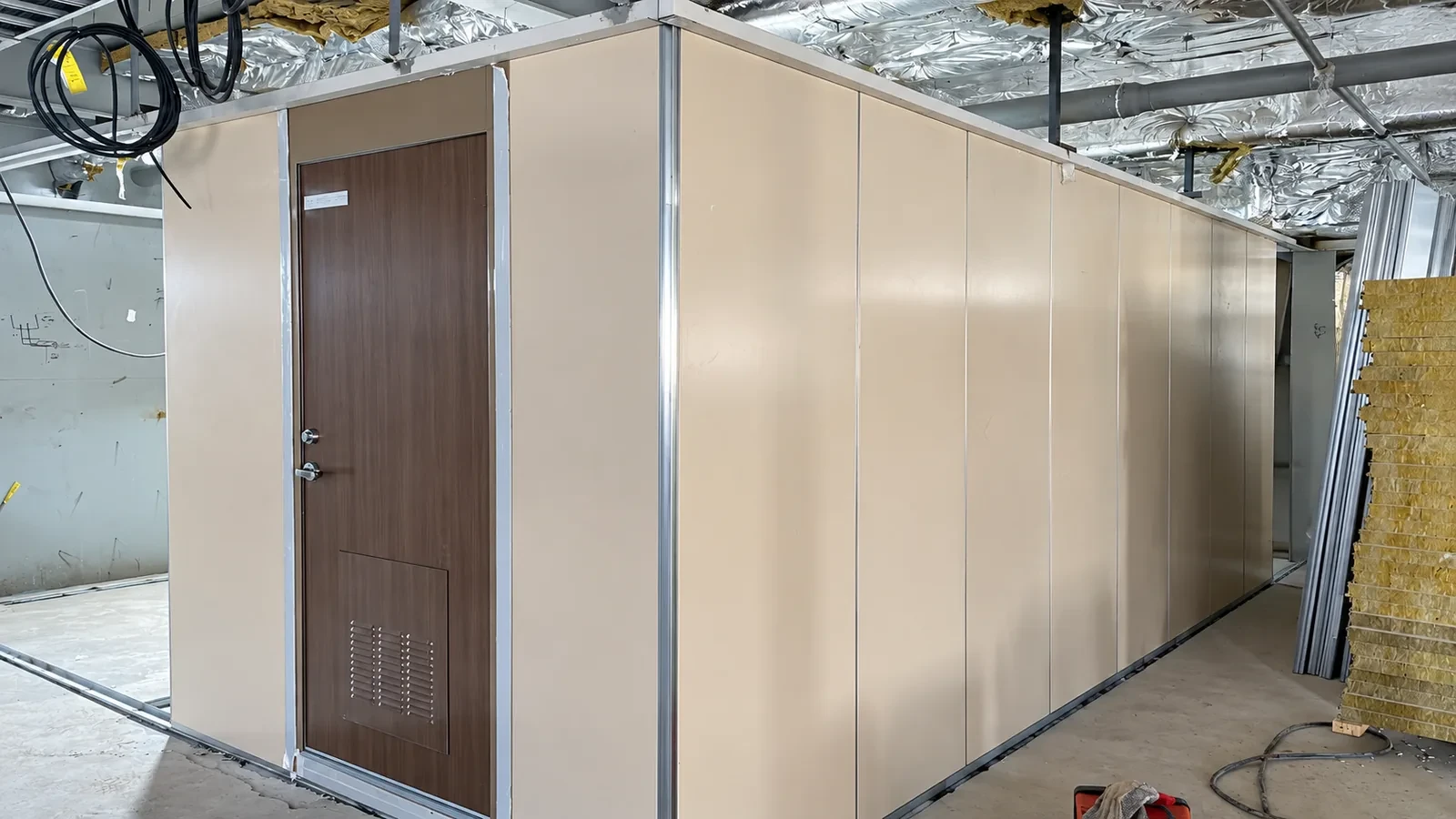
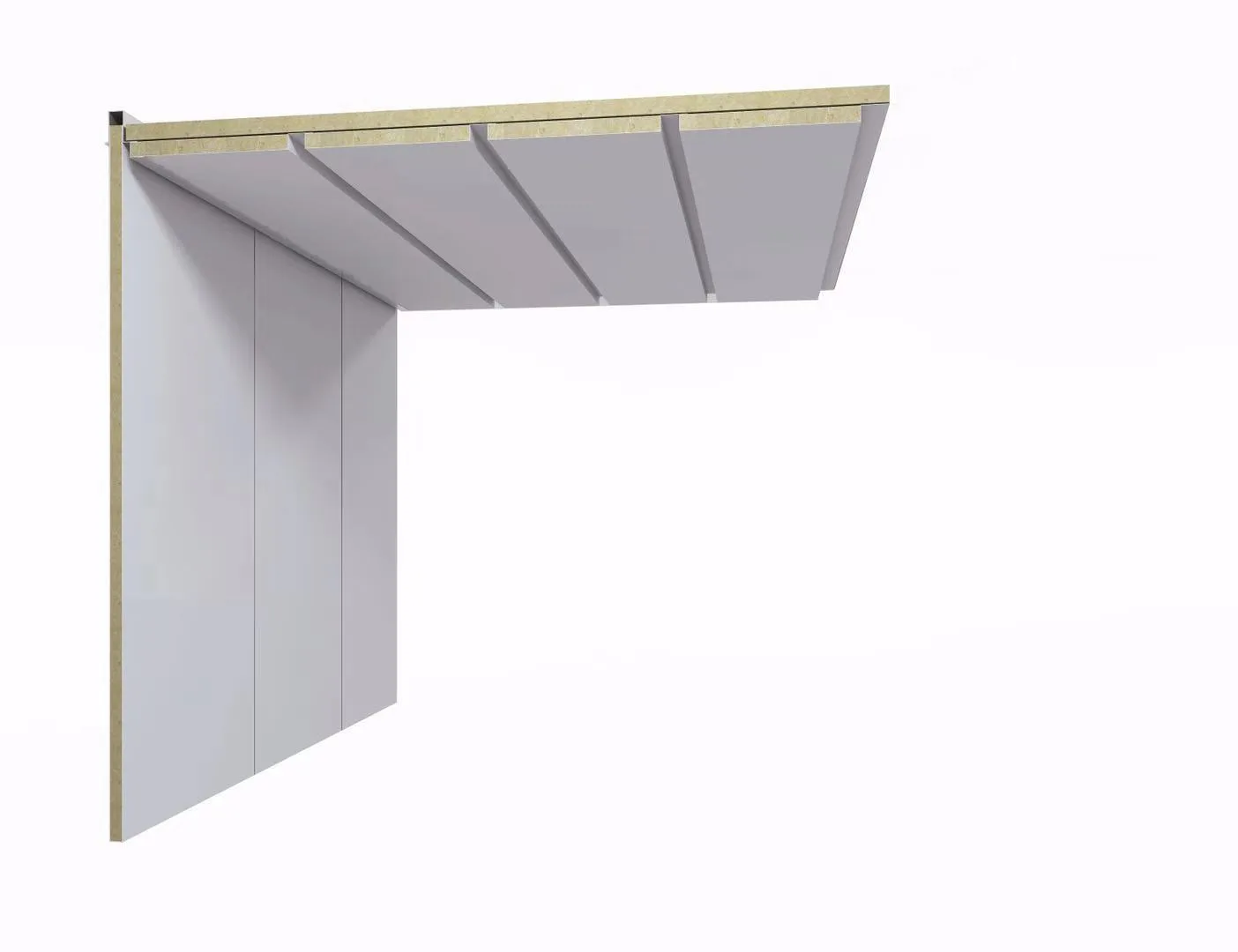
- Marine wall panels and ceiling panels
- A0, A60 and B15 marine doors
- Watertight and weathertight doors
- Prefabricated wet units
- Marine furniture
- Rockwool and other insulation materials
- Vinyl and raised flooring
- Access hatches and other outfitting components
Each individual product may be relatively easy to source. Coordinating them is not.
1. Define Technical Interfaces Early
One of the most common challenges is the interface between equipment supplied by different manufacturers.
A fire damper, for example, is not simply a mechanical item installed inside an air duct. Depending on the vessel’s control philosophy, it may also need to provide status signals to the fire alarm system or BMS.
Similarly, an AHU may require coordination between:
- Power supply
- Motor control
- Temperature sensors
- Differential pressure sensors
- Fire damper signals
- BMS communication
- Chilled water valves
If these interfaces are only discussed after equipment arrives at the shipyard, modifications can become expensive and delay installation. Early technical coordination is therefore essential.
2. Account for Marine-Specific Requirements
Equipment installed onboard a vessel cannot always be selected in the same way as equipment for a building or land-based industrial project.
Marine projects may require consideration of:
- Vessel voltage and frequency
- Ambient temperature and humidity
- Corrosion resistance
- IP protection
- Vibration and inclination
- Space limitations
- Maintenance access
- Fire safety
- Marine class requirements
- Material certification
For international projects, equipment may also require approval or documentation from classification societies such as DNV, ABS, BV, LR, RINA, CCS or other IACS members, depending on the vessel. This makes supplier selection more than a simple price comparison.

3. Check Space and Maintenance Access
Space onboard ships is always limited. A chiller, AHU or pump may meet the required capacity but still be unsuitable if maintenance access has not been properly considered.
Questions such as these need to be addressed during equipment selection:
- Can the heat exchanger be removed for maintenance?
- Can filters be replaced easily?
- Can the motor be removed?
- Is there enough space to open or completely remove the access panel?
- Can the equipment pass through the available access route during installation?
- Does the ship structure provide sufficient support for lifting and maintenance?
These practical considerations can significantly affect the final equipment configuration.
4. Treat Documentation as Part of the Supply
For shipyards, receiving the physical equipment is only part of the job. Depending on the project, suppliers may also need to provide:
- General arrangement drawings
- Technical datasheets
- Electrical diagrams
- Control philosophy
- Pump curves
- Equipment selection data
- Material certificates
- Class certificates
- Installation instructions
- Operation and maintenance manuals
- Spare parts lists
Managing these documents across many independent suppliers creates additional workload for the shipyard’s engineering and procurement teams. A coordinated supply approach can simplify this process.
5. Evaluate the Complete Procurement Package
The lowest equipment price does not always result in the lowest project cost. A cheaper component may create additional engineering work, require modification onboard or cause delays because of missing documentation.
For this reason, marine procurement should consider:
Technical Suitability + Documentation + Certification + Delivery + Coordination + Cost
rather than equipment price alone.

JULY MARINE’s Integrated Supply Approach
JULY MARINE works as a Marine Interior Solution Provider, supporting international shipbuilding projects with technical coordination and multi-package supply.
Our approach is:
Design Support → Technical Coordination → Material Supply → Documentation → Installation Guidance
Instead of acting as a traditional EPC contractor, we focus on helping shipyards consolidate suitable marine manufacturers and coordinate related packages.
Marine Interior
Our core interior supply scope includes wall and ceiling systems, marine doors, prefabricated wet units, marine furniture, insulation and flooring.
Marine HVAC
Our marine HVAC supply scope includes chillers, AHUs, FCUs, marine fans, pumps, fire dampers, HVAC control components, insulation and related accessories.
Selected Marine Equipment
For suitable projects, we can also support the sourcing and coordination of selected marine equipment packages through our manufacturing and supply network in China.
One Coordination Point, Multiple Packages
For international shipyards, sourcing from China can provide significant cost advantages. However, managing many individual manufacturers can also increase communication, engineering and coordination work.
JULY MARINE aims to bridge this gap.
By combining marine supply-chain resources with international project communication and technical coordination, we help shipyards manage suitable marine suppliers more efficiently.
Our objective is simple: Reduce procurement complexity without sacrificing technical requirements.
Meet JULY MARINE at SMM Hamburg 2026
If you are a shipyard, shipowner, offshore contractor, marine interior contractor or marine engineering company looking for alternative marine suppliers or a more consolidated sourcing solution from China, we would be pleased to meet you in Hamburg.
SMM Hamburg 2026
1–4 September 2026
Hall B4.OG | Stand 233-6
YOU BUILD SHIPS. WE HANDLE THE INTERIOR.
Design Support | Material Supply | Technical Coordination | Installation Guidance