

Green tug equipment procurement is becoming a global shipbuilding priority. Battery-electric tugboats and hybrid harbour tugs are reshaping fleet renewal, from New Zealand and North America to Europe, the Middle East and Asia. For shipyards, owners and naval architects, that transition brings a practical question: how do you coordinate the vessel’s accommodation, deck equipment and outfitting around a new propulsion arrangement?
JULY MARINE supports project enquiries for marine interior materials, doors, furniture, anchoring and mooring equipment, and selected deck and outfitting packages. Our focus is on matching these packages to the vessel specification, with the supply scope and documentation agreed item by item.
Electric tugboats: a global shift in harbour operations
Recent orders and operating vessels show that port decarbonisation is creating demand across several markets, rather than within a single national programme:
- New Zealand: Damen delivered the electric harbour tug Sparky to Ports of Auckland in 2022. Its development highlighted the challenge of accommodating batteries and other equipment within a compact hull. Damen project announcement.
- United States: Crowley accepted delivery of eWolf in January 2024 and christened the electric ship-assist tug at the Port of San Diego in June 2024. Crowley announcement.
- Europe and the Middle East: Damen’s 2025 award-shortlist announcement identified Volta 1 at the Port of Antwerp-Bruges and Bu Tinah, operating with Noatum Maritime, as examples of its electric tug design in service. Damen project update.
- India and international newbuilding: on 2 September 2026, Cochin Shipyard announced the start of construction of four battery-electric TRAnsverse 2600e tugs for Svitzer. Separately, India’s Green Tug Transition Programme provides a policy framework for introducing greener harbour tugs. Cochin Shipyard announcement; GTTP programme announcement.
These projects are industry examples, not JULY MARINE supply references. Together, they show why tugboat equipment suppliers need to respond to different operating profiles, shipyard practices and technical specifications.
What changes in green tug outfitting?
An electric or hybrid tug still needs a complete working vessel around its propulsion system. Accommodation, doors, deck machinery and marine fittings must fit the general arrangement and remain accessible for operation, inspection and maintenance.
For procurement teams, three issues deserve early attention:
- Weight and space: request actual equipment weights, dimensions and access clearances. Compare interior material options against the project’s weight budget and required performance.
- System interfaces: coordinate openings, foundations, power requirements and installation sequence before manufacturing. A change to one package can affect adjacent systems.
- Documentation: identify required drawings, certificates, inspection records and manuals in the RFQ. Approval requirements depend on the item, installation location, flag and classification scope.
For battery-electric tugs, zero direct exhaust emissions during battery operation should not be confused with zero lifecycle emissions. Hybrid tug performance also depends on the operating mode and energy source. Equipment selection should follow the actual vessel design and duty cycle.
Marine interior and accommodation materials for tugboats
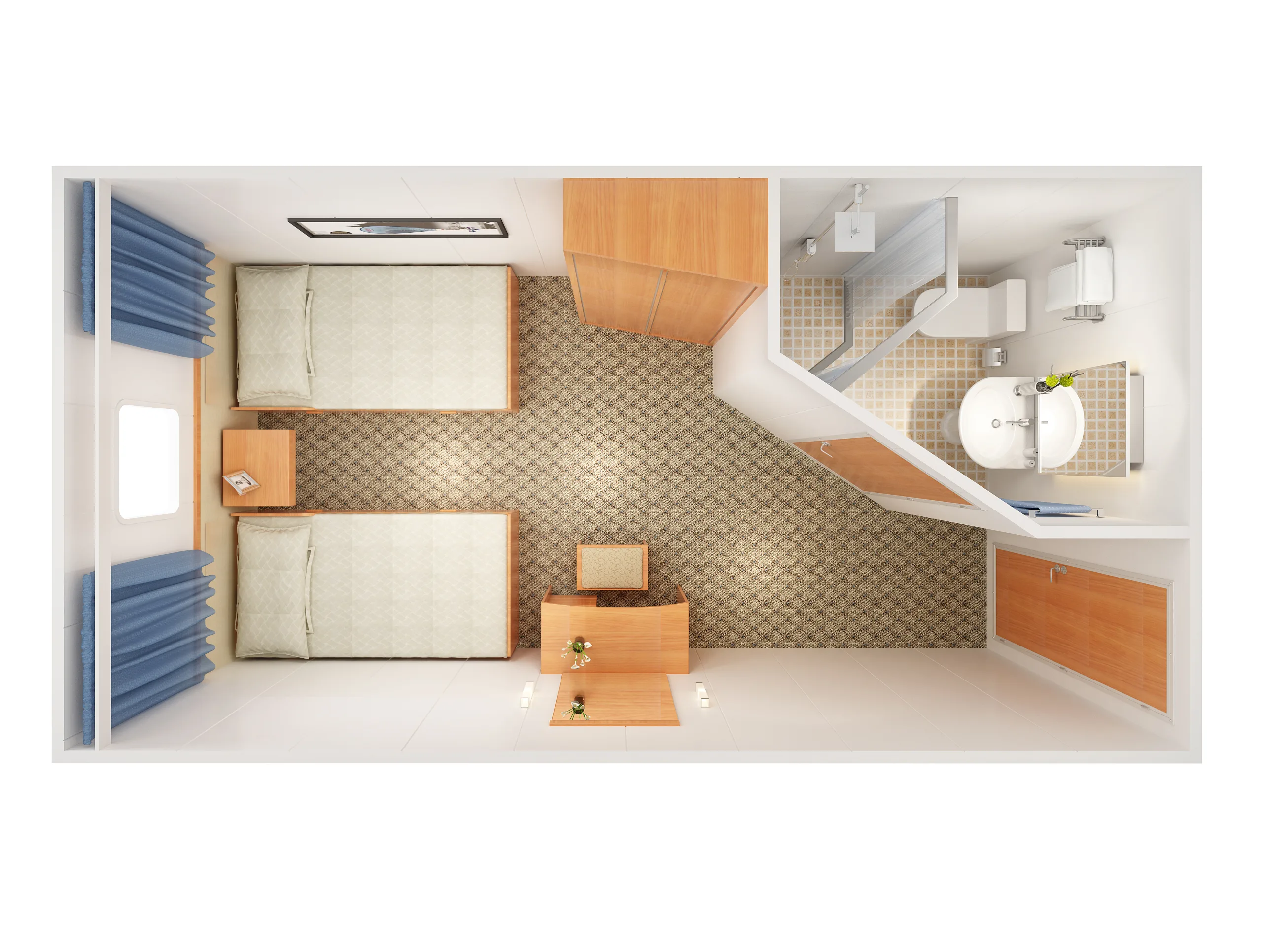
Tug accommodation must use limited space well while supporting crew comfort and maintainability. JULY MARINE can review a coordinated interior enquiry covering:
- Marine wall panels, ceiling systems, flooring and insulation.
- Marine cabin doors, together with doors and windows specified for other vessel boundaries.
- Marine furniture and accessories for cabins, mess rooms and working spaces.
- Sanitary units and accommodation components coordinated with the vessel layout.
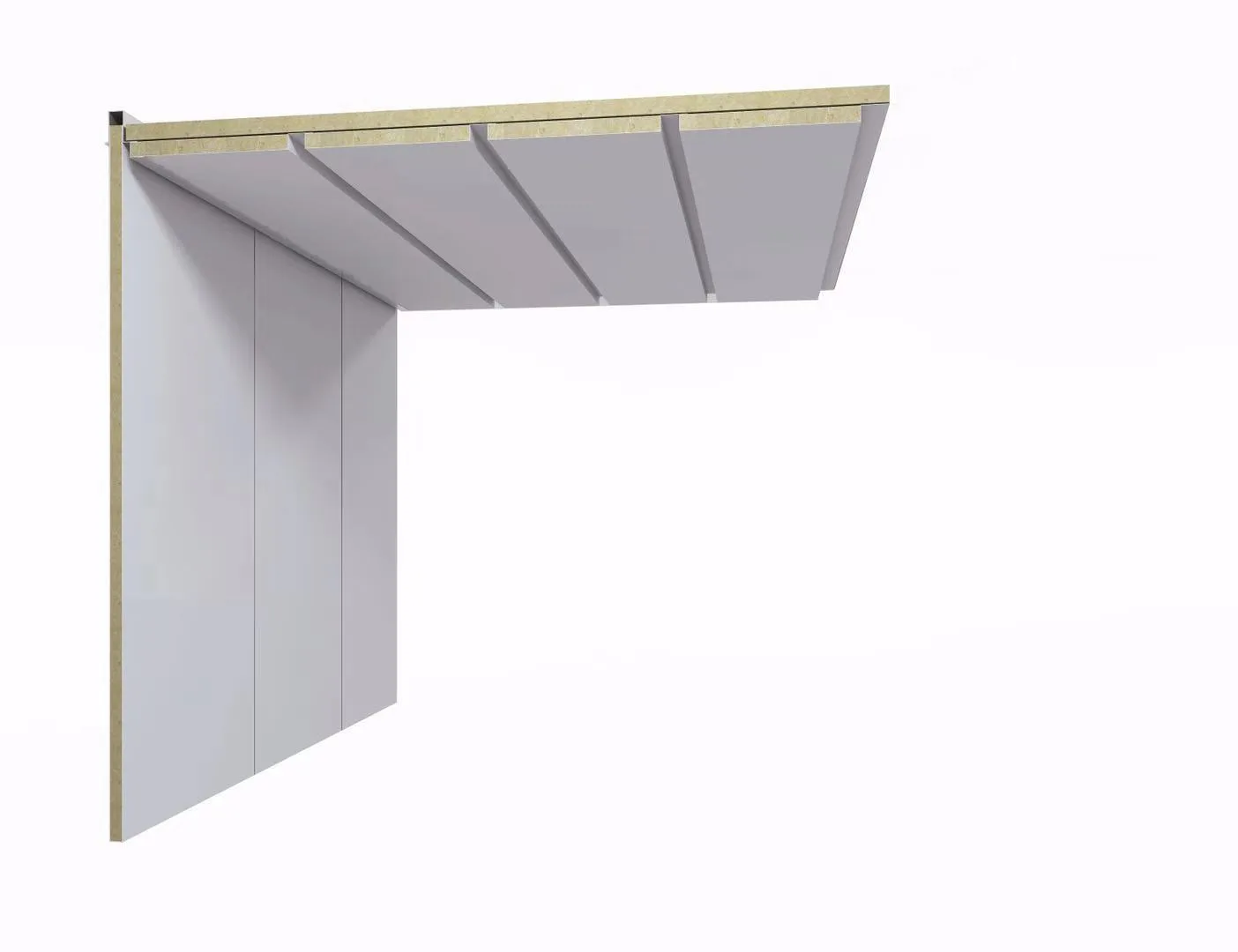
Review doors, linings and insulation as an assembly of connected parts. Door frames, panel thicknesses, floor build-ups and service penetrations should be checked together. Where lightweight materials are proposed, confirm both the weight benefit and the suitability of the complete assembly for its intended location.
For a related tugboat application, see our marine sanitary units for tugboats.
Tugboat deck equipment, anchoring and mooring packages
Deck equipment enquiries may include anchor windlasses, capstans, mooring winches, anchors, chains, shackles, bollards, fairleads and chocks. Ladders, handrails, gratings and fabricated outfitting items can also be reviewed against drawings and quantities.
A useful tugboat deck equipment RFQ goes beyond the product name. State the required loads, chain or rope specification, drive arrangement, available electrical or hydraulic supply, mounting dimensions, controls and inspection requirements. For towing equipment, define the towing duty and required performance separately from general mooring duties.
The vessel’s bollard pull alone is not a complete equipment specification. Final selection needs the relevant design loads, operating conditions and approval requirements from the shipyard or designer. JULY MARINE can review the requested supply package and confirm the available scope against those inputs.
How to coordinate equipment procurement for an electric or hybrid tug
A shared equipment schedule gives the yard and its suppliers a clearer basis for quotation, technical review and delivery. For series construction, include a vessel-by-vessel delivery plan and a controlled revision list.
- Define the supply boundaries. List each item, quantity and responsibility, including installation accessories and commissioning support where required.
- Review interfaces. Align interior layouts, door schedules, deck foundations and utility connections with the latest approved drawings.
- Confirm documentation before ordering. Agree the applicable certification, drawing review, inspection and testing scope for each package.
- Plan delivery around construction. Identify long-lead items, packing requirements and the sequence in which the yard needs materials.
This approach can help reduce gaps between individual purchase orders. It also makes quotations easier to compare, because exclusions and technical assumptions are visible before procurement decisions are made.
Discuss your green tug equipment requirements with JULY MARINE
Whether you are planning a battery-electric harbour tug, a hybrid tugboat or a conventional tug upgrade, send JULY MARINE the documents available at your current design stage:
- General arrangement drawing and vessel type.
- Equipment list, material take-off or technical specification.
- Door, furniture and accommodation schedules where applicable.
- Required class or flag documentation and inspection scope.
- Number of vessels, delivery destination and required delivery dates.
Send your drawings or RFQ to JULY MARINE for a review of marine interior, deck equipment, anchoring, mooring and outfitting requirements. We will identify the scope we can offer and the technical details needed for a project-specific quotation.
Frequently asked questions
Does an electric tug need different interior materials?
The propulsion type does not determine every interior product. Selection depends on the arrangement, weight targets, fire boundaries, acoustic requirements and applicable approvals. Electric tug projects make early coordination of space and weight particularly valuable.
Can several tugboat equipment categories be included in one enquiry?
Yes. Send a combined equipment list and identify the vessel and delivery schedule. JULY MARINE can review the categories together and confirm the proposed supply scope, documentation and exclusions.
Does JULY MARINE supply the complete electric propulsion system?
This article concerns marine interior materials, deck and outfitting equipment. Battery systems, electric propulsion, charging infrastructure and their system integration need a separately defined specialist scope.
Industry examples checked on 22 September 2026. Product suitability and supply scope are subject to the project specification and technical review. Cover image: illustrative marine accommodation layout from the JULY MARINE catalogue.

